Last updated on:
|
Reading time:
5 min
How Much Does a Pitch Deck Design Cost

Adrian Kuleszo
Founder
Share this article
Summarize with AI





Most founders spend months on the product and a weekend on the deck. The deck is the most expensive twelve slides they will make, and it gets treated like a brochure.
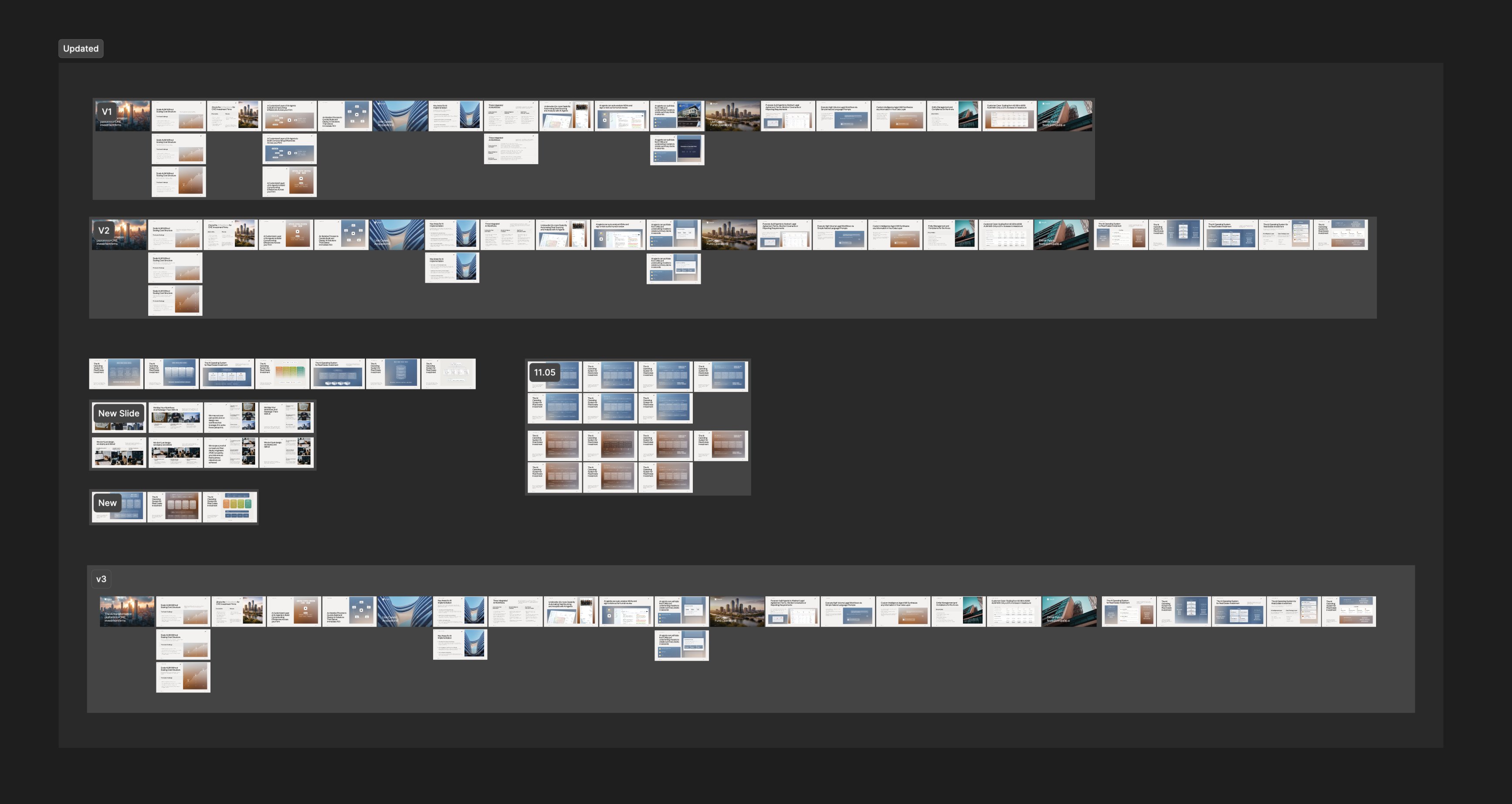
Deck design is now one of our top three services at DesignMe. We design a lot of them for early-stage companies and for Series A teams, and this year the decks we designed helped our clients raise over $120M. Here is what a pitch deck costs, what moves the price, and what you get at each level.
What a pitch deck costs
Across the market, prices run from around $500 to $20,000 and above, and the spread comes down to who does the work and how much thinking sits behind the slides.
Freelancers usually charge $500 to $2,000 per deck. You get clean slides, often from a template, and you bring the story and the slide order yourself.
Specialists and boutique agencies sit at $2,000 to $8,000. You get design plus feedback on the narrative, so the deck reads well when you are not in the room to explain it.
Full agencies charge $5,000 to $20,000 and up, with large agencies starting around $10,000. That price usually covers narrative strategy, research, several revision rounds and a longer timeline.
At DesignMe, early-stage decks run $2,500 to $5,000, and Series A and above run $5,000 to $10,000.
What moves the price
Slide count matters, but the bigger drivers are how many rounds of iteration the deck goes through, how much of the story we build with you, how much custom data visualisation and illustration it needs, whether it has to match an existing brand or sit inside a rebrand, and how fast you need it. A deck due in two weeks costs more than one with a month of runway, because it takes the team off other work.
What you get at each stage
Early-stage founders need a deck that looks credible and tells the story in the right order, and for us that is $2,500 to $5,000 depending on slides, iterations and speed. Investors at this stage see dozens of decks a week, so a clear structure and a strong first five slides do most of the work.
At Series A the raise is large enough that the deck gets forwarded to partners who were never on the call. It has to work on its own, in email, on a phone, and next to a website and product that match it. For us that is $5,000 to $10,000.
What we fix on most decks
These are the changes we make most often, and you can do all of them yourself.
Put one idea on each slide. Two ideas on a slide and the reader remembers neither, so most decks get half as long once you pick the one that matters.
Order the story as problem, why now, what you do, proof, then the ask. Most decks open with what the company does before anyone cares why it matters.
Give the vision its own slide with nothing else on it, because it is the one line people repeat after the call.
Draw the problem. Show who is involved, what they are doing and where it breaks, since a messy diagram of a messy process says more than five bullets.
Put one thing under each name on the team slide, the thing that person has done that makes them right for this company.
Show data as a chart. Nobody reads twenty rows of numbers on a slide, and the same data as a chart lands in a second.
Write the ask as a plan. "Raising $3M" is half a slide, so add the months of runway, the hires and what ships by when.
Use numbers. "Cut a 40 hour task down to 4" says a lot, and "powerful platform" says nothing.
Build the deck to be read. It gets forwarded and opened without you, so it has to make sense with no one talking over it.
Cut the slides you are proud of. The fanciest slide usually does the least, and we have rebuilt a client deck dozens of times where most of the work was deleting.
Matching the deck to the brand
An investor reads the deck, then opens the site, then looks at the product. When the three look like three companies, trust drops before the first call. Same type, same colours and same components across all of it, which is why we like designing the deck next to the website and product.

How we work on decks
ZinqAI came to us for a deck and a rebrand as a one-off. Two weeks later they started a retainer, and we now handle their product design and full-stack development as well.
For RecruitU we refreshed the brand and launched a full website that led into a $3.2M round. The client sent website copy through Notion, we designed the whole site in Figma, ran two rapid rounds of two days each, and had it development-ready in about a week. The pitch deck came in weeks two and three, built around their vision, value and growth potential.
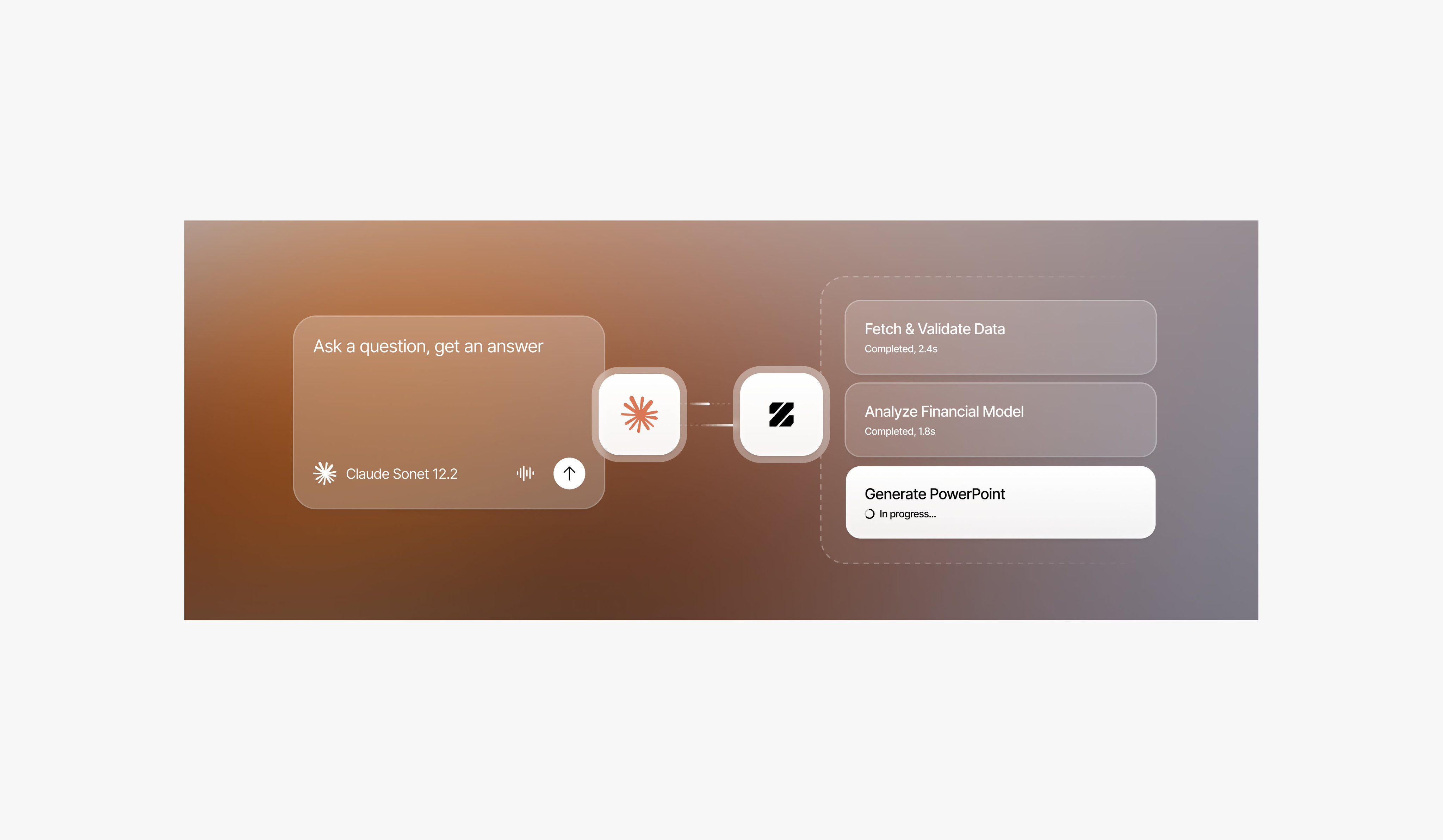
We also use Claude on deck visuals. A good visual has to look on brand and make a complex idea obvious, and for AI and tech companies the hard part is giving an abstract idea a visual structure. Claude works through different angles and layouts for ideas with no obvious shape, which gives the designers a strong starting point, and they take it from there to something on brand. The visual craft is still done by the team.
Picking a level
Match the spend to the raise. A deck that gets you into more second meetings pays for itself on any round that matters, so the useful number is the size of the round, with the deck fee as a small share of it.
If you have a raise coming up, we are happy to look at your current deck and tell you what we would change.
Written by
Adrian Kuleszo
What to read next?

need more info?


What does DesignMe actually help with?
We help B2B tech companies design and build the things they need to grow, from brand identity and websites to web apps, mobile apps, product design, design systems, backend logic, APIs, infrastructure, and agentic AI workflows. Most clients come to us when their brand, product, or website no longer matches where the company is going, or when they need one senior team to take an idea from strategy to launch.
Do you only design, or can you also build?
We can do both. Our team covers strategy, brand, product design, UX/UI, web design, motion, Framer, Webflow, frontend development, backend logic, APIs, infrastructure, mobile app builds, and AI workflows. Some clients bring us in only for design. Others use us as a full product team from idea to launch.
Can you take a project from strategy to launch?
Yes. We can help shape the scope, define user flows, design the experience, build the product or website, and support the launch. Depending on the project, we can work as your full execution team or plug into your existing product, marketing, or engineering team.
What kind of companies do you work with?
We’re best for B2B tech, SaaS, AI, fintech, web3, and product-led companies that need senior design and development support without hiring a full in-house team. Usually, our clients already have a product, funding, traction, or a clear business case for improving their brand, product, website, or internal workflows.
What does it cost to work with DesignMe?
Monthly retainers usually range between $6k and $10k/month, depending on scope, speed, team setup, and how closely we need to work together. For lighter ongoing design support, we can work mostly async with structured updates every 48 hours. For more active product, website, or brand projects, we usually run weekly or twice-weekly calls with regular progress updates. For fast-moving launches or complex builds, we can increase the cadence with more frequent calls and daily updates. Focused project scopes usually start from $10k+. Larger brand, product, website, mobile app, AI workflow, or development projects can be higher depending on complexity. Once we understand what you need, we’ll suggest the leanest setup that can realistically get the work done well.
How soon can we start working together?
It depends on our current capacity, but we usually onboard new clients within 1–2 weeks. If something is urgent, tell us during the first conversation and we’ll let you know what’s realistic.